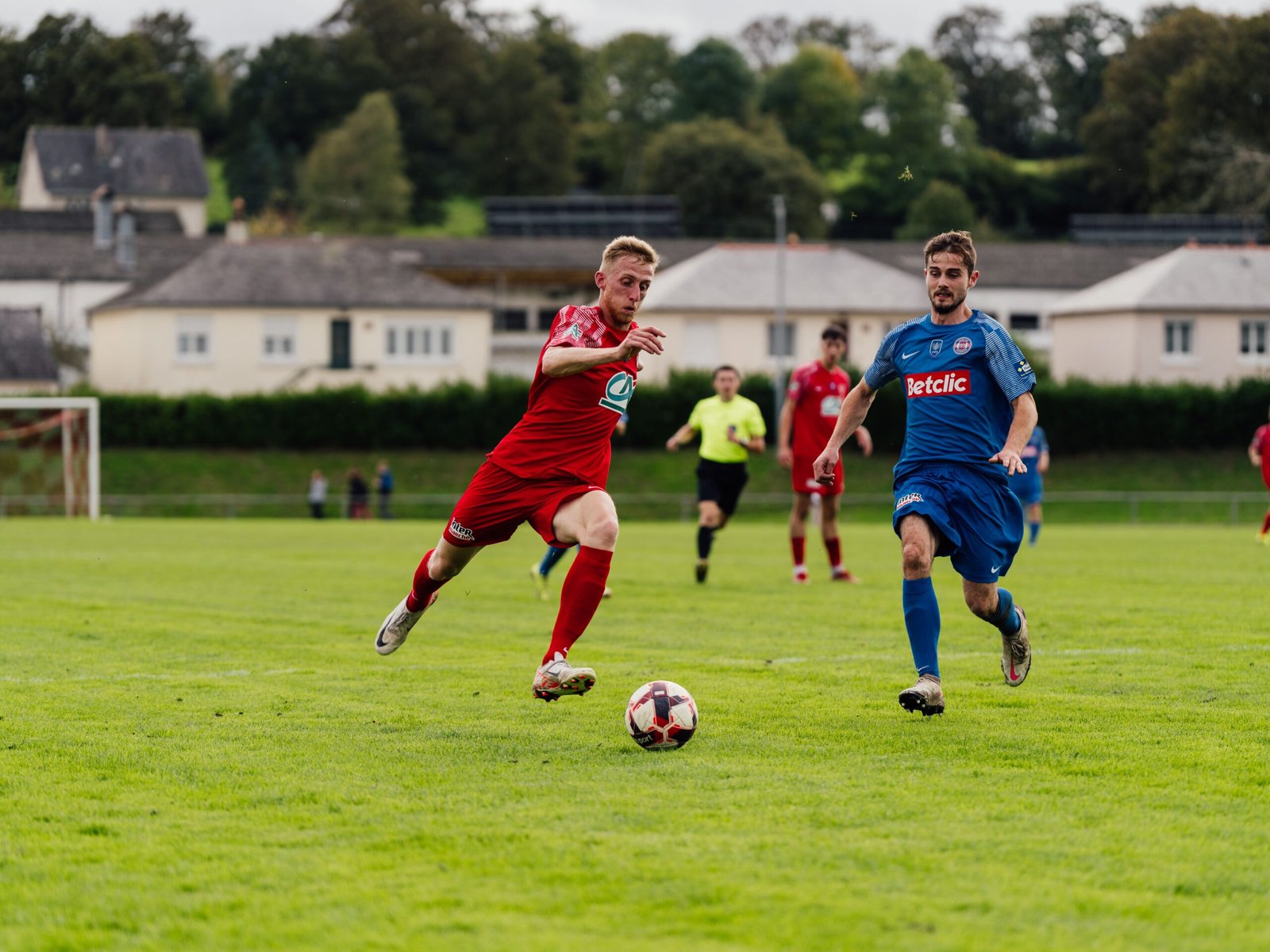
The Blitzkrieg Blueprint: Deconstructing Elite Football Counter-Attacking Transitions
The Art of the Immediate: Unpacking Football’s Counter-Attacking Genius
In the relentless theatre of professional football, where tactical battles are waged with every pass and movement, few phases of play ignite the crowd and devastate opponents quite like a perfectly executed counter-attack. It is an art form, a symphony of precision, pace, and predatory instinct that transforms defensive solidity into offensive fireworks in mere seconds. This deep dive will unravel the intricate mechanics behind these devastating sequences, focusing on the triumvirate of critical elements: Speed, Shape, and Spacing, which define the modern game’s most potent counter-attacking units.
For the discerning analyst and the fervent supporter alike, understanding the nuances of these transitions is paramount. They are not merely haphazard sprints but meticulously choreographed movements, products of countless hours on the training ground and an innate understanding between players. From the moment possession is regained, a team’s collective intelligence is tested, demanding a rapid shift in mindset from protection to penetration.
Speed: The Ignition of Intent
The genesis of any effective counter-attack lies in its blistering speed – not just physical velocity, but speed of thought and execution. This initial burst dictates the trajectory of the entire sequence. When possession is won, particularly deep in one’s own half, the immediate objective is to exploit the opponent’s inherent disorganisation. Their full-backs may be high, centre-backs advanced, and defensive midfielders caught out of position, creating vast swathes of unoccupied space.
- First Touch Forward: The player winning possession must often take an aggressive first touch into space, turning defence into attack instantaneously. Delay is fatal.
- Verticality: The primary instinct is to move the ball forward as quickly as possible. This doesn’t always mean a long punt; it can be a series of sharp, incisive passes bypassing multiple lines of pressure.
- Direct Runs: Attacking players, particularly wingers and strikers, must launch themselves into forward runs, offering immediate passing options beyond the opponent’s defensive line. These runs are often diagonal, creating angles and stretching the defence.
- Decision-Making Under Pressure: The player on the ball has a split second to assess options: a killer pass, a dribble to commit defenders, or a quick layoff to a supporting teammate. The right choice unlocks the attack; the wrong one stifles it.
Teams like Jürgen Klopp’s Liverpool perfected this, transitioning from a robust press (Gegenpressing) into a lightning-fast counter once the ball was won, often spearheaded by the explosive pace of Salah and Mané.
Shape: The Blueprint for Progression
While speed is the initial accelerant, maintaining an optimal attacking shape is the structural integrity that allows the counter to flow. This involves more than just a few players sprinting forward; it requires a collective understanding of roles and responsibilities to create passing triangles, diamonds, and channels for progression.
- Supportive Angles: Players not directly involved in the initial burst must move to offer support, creating varied angles for the ball carrier. This prevents the lone attacker from being isolated.
- Midfield Participation: Deep-lying midfielders, often the ones recovering possession, must quickly transition to become distributors, spraying passes to wide players or threading them through the lines. Their ability to switch play rapidly can pull a retreating defence apart.
- Full-back Overlaps/Underlaps: Modern full-backs are crucial. Their overlapping runs provide width and depth, often drawing opposing full-backs and creating space inside for wingers or central midfielders. Underlaps can provide a surprising internal pass option.
- Numerical Superiority (or Parity): The aim is often to create a 2v1, 3v2, or at least 1v1 situations in advanced areas. This doesn’t mean having more players than the opponent; it means having more players than the opponents defending a specific zone of attack.
- Rest Defence: Crucially, a balance must be struck. Not every player can commit to the attack. A ‘rest defence’ – usually 2-3 players (centre-backs and a holding midfielder) – must remain in a structured position to guard against a quick turnover and a subsequent counter from the opposition. This ensures defensive stability if the attack breaks down.
The disciplined shape ensures that even if the first pass isn’t perfect, there are immediate follow-up options, maintaining momentum and pressure on a scrambling defence.
Spacing: The Canvas for Exploitation
Intelligent spacing is the tactical intelligence applied to the physical movement. It’s about how players position themselves relative to their teammates, opponents, and the ball to exploit weaknesses in the opposition’s retreating structure. The aim is to stretch the defence both horizontally and vertically, creating gaps and decision-making dilemmas.
- Horizontal Width: Pushing players wide forces opposing defenders to spread out, opening central channels for penetrating runs and passes.
- Vertical Depth: Runners constantly look to get in behind the last defender, pushing the defensive line back and creating space between the lines (midfield and defence).
- Operating Between the Lines: Talented attacking midfielders or inverted wingers excel at receiving the ball in the ‘half-spaces’ – the channels between the opponent’s central defenders and full-backs, or between their midfield and defensive lines. These are dangerous areas from which to create.
- Decoy Runs and Movement Off the Ball: Not every run is intended to receive the ball. Decoy runs pull defenders out of position, creating space for another teammate to exploit. Constant, intelligent movement without the ball is as vital as movement with it.
- The Final Pass and Finishing: All elements converge here. The player delivering the final pass must have the vision and execution to bypass the remaining defenders, while the finisher must maintain composure under immense pressure.
José Mourinho’s Inter Milan, masters of defensive solidity, often demonstrated devastatingly effective counter-attacking with superb spacing that isolated defenders and created clear-cut chances for clinical finishers like Milito.
The Symbiotic Relationship: Practice Makes Perfect
These three elements – Speed, Shape, and Spacing – are not isolated concepts but intrinsically linked, forming a dynamic ecosystem. A team may possess incredible pace, but without a coherent shape and intelligent spacing, their counters will be predictable and easily stifled. Conversely, a team with perfect shape and spacing but lacking the initial burst of speed will find their windows of opportunity closing rapidly.
Coaches dedicate extensive time to training these transitions through specific drills that simulate game scenarios, fostering intuitive understanding and rapid communication among players. The objective is to make these lightning-fast decisions and movements almost instinctual, allowing players to react rather than think, capitalising on the fleeting moments of defensive vulnerability.
Conclusion: The Enduring Power of the Counter
In modern professional football, with its emphasis on high pressing and intricate build-up play, the counter-attack remains an indispensable weapon. It embodies the essence of efficiency, transforming a moment of defensive success into a sudden, irresistible surge towards goal. Understanding the interplay of Speed, Shape, and Spacing is key to appreciating the tactical genius behind these electrifying moments. As teams continue to evolve, the art of the counter-attacking transition will undoubtedly remain a cornerstone of elite football strategy, forever captivating fans and determining the fate of crucial matches.